Boiler Repair
Pressure and Heat Restored to Radiators
Boiler Repair in Monroe for lack of heat, pressure problems, leaks, and system malfunctions in hydronic heating equipment
Boilers heat water or produce steam that circulates through radiators, baseboard units, or radiant floor systems, and failures anywhere in that closed loop leave homes without heat until the specific problem gets identified and repaired. In Monroe, where older homes often rely on boiler heating, common failures include circulator pumps that stop moving hot water through the system, expansion tanks that lose their air charge and cause pressure spikes, and zone valves that stick closed and prevent heat from reaching certain rooms. Miller's Nu Tech diagnoses boiler performance issues by testing water temperature, measuring system pressure, listening for circulation flow, and inspecting visible components for leaks or corrosion that indicate underlying failures.
The service addresses mechanical failures in pumps and valves, control issues with aquastats and pressure switches, and combustion problems in the burner assembly that prevent the boiler from generating adequate heat. Gas boilers require proper ignition and flame sensing just like furnaces, while the hydronic distribution system adds complexity through multiple zones, pressure regulation, and water chemistry that affects equipment longevity.
Request a diagnostic service call to identify why your boiler stopped heating and review repair solutions that restore function.
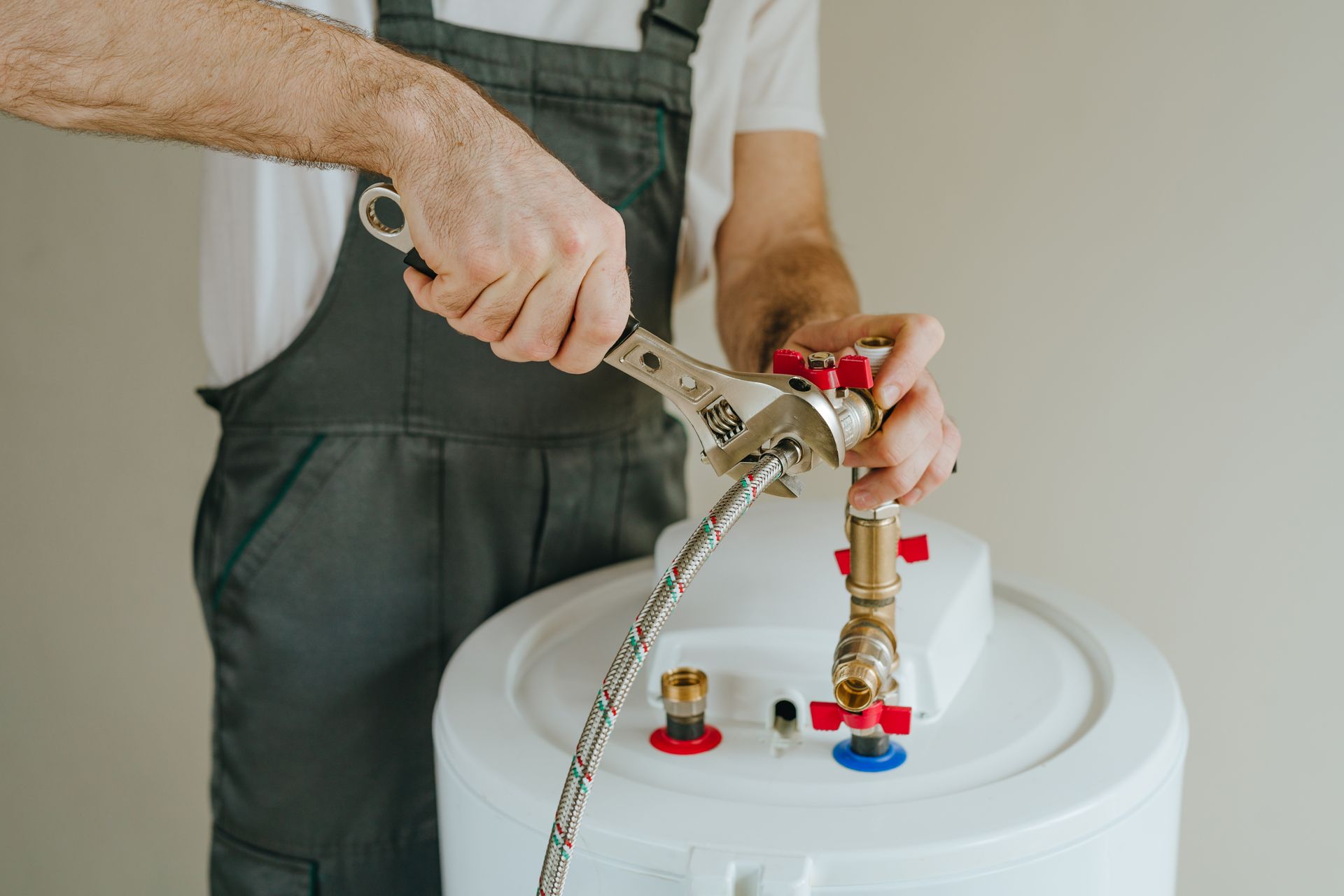
Skilled technicians inspect circulator pumps for seized bearings or failed electrical windings, test expansion tanks by checking air pressure on the Schrader valve, and examine heat exchangers for scale buildup that insulates water from burner flames and reduces heating capacity. Boiler leaks often originate from corroded pipe connections, failed pressure relief valves, or pinhole leaks in aged cast iron sections that develop after decades of heating and cooling cycles. Steam boilers add complexity through condensate return systems and automatic water feeders that must function correctly to maintain proper water levels.
Once repairs finish, radiators warm evenly across their entire surface, baseboard units deliver consistent heat without cold spots, and system pressure holds steady without requiring frequent makeup water additions that indicate hidden leaks. You'll notice the boiler reaches temperature without extended firing cycles, and circulation noise decreases when pumps and valves operate smoothly without cavitation or grinding sounds that signal mechanical wear.
Repair scope varies based on system age and whether water quality caused internal corrosion that affected multiple components beyond the immediate failure point. Preventive recommendations help avoid future problems, and additional maintenance services become available when repairs reveal systems that haven't received regular care. Emergency boiler repair services respond quickly when heating failures occur during severe cold and occupied buildings require immediate restoration of heat.
What Property Owners Usually Ask
Boiler owners facing heating problems often have questions about troubleshooting steps, repair costs versus replacement decisions, and how to recognize serious issues that need immediate professional attention.
What causes a boiler to lose pressure gradually over several days?
Slow pressure loss typically indicates a leak somewhere in the system, either at pipe connections, valve packing, the boiler itself, or in underground piping for older homes with basement boilers feeding upper floors through concealed pipes that corrode internally.
How can I tell if my circulator pump has failed?
When the boiler fires and reaches temperature but radiators stay cold, the circulator likely stopped pumping hot water through the distribution system. You can sometimes feel the pump housing to check if it's warm from motor operation, though a warm pump can still fail to move water if the impeller broke or the shaft seized.
Why does my boiler make banging or kettling noises during operation?
Banging usually results from steam forming in a hot water boiler due to restricted flow or a failed circulator, while kettling sounds like a tea kettle boiling and indicates scale buildup on heat exchanger surfaces that causes localized overheating and steam bubble formation.
When should I repair a boiler versus replacing it entirely?
Repair makes sense when the boiler is less than twenty years old, the heat exchanger shows no cracks or severe corrosion, and repair costs stay reasonable relative to the system's remaining lifespan. Multiple component failures within a short period often signal it's time to evaluate modern high-efficiency boiler options.
What regular maintenance does a boiler need between professional service visits in Monroe?
Check system pressure monthly during heating season and add water if pressure drops below the recommended range marked on the gauge, listen for unusual noises that might indicate circulation problems, and bleed air from radiators at the start of each heating season if upper-floor units stay cold while lower units heat properly.
Miller's Nu Tech brings decades of experience to every boiler repair project, with factory-trained technicians who understand both modern high-efficiency systems and older cast iron equipment still common in Monroe homes. Call to arrange an evaluation when your boiler stops heating or shows signs of declining performance.