Boiler Installation
Hydronic Heat Designed for Your Property
Boiler Installation in Monroe for replacement projects, system upgrades, and new hydronic heating equipment in residential and commercial buildings
Replacing a boiler requires matching the new equipment to the existing distribution system—radiators, baseboard units, or radiant floors—because each type demands different water temperatures and flow rates to heat effectively. Cast iron radiators common in older Monroe homes need high-temperature water near 180 degrees, while modern radiant floor systems operate efficiently at 120 degrees or lower, and selecting a boiler without considering these requirements results in rooms that never reach comfortable temperatures or systems that waste energy overheating water beyond what the distribution method needs. Miller's Nu Tech sizes boiler capacity based on measured heat loss calculations rather than simply replacing the old unit with the same size, because original installations often used oversized equipment that costs more to operate and cycles too frequently.
Installation involves disconnecting and removing the old boiler, modifying gas piping or electrical connections to meet current code requirements, and integrating the new equipment with existing zone controls, circulators, and expansion tanks. High-efficiency condensing boilers extract additional heat by cooling exhaust gases until water vapor condenses, which requires PVC venting instead of traditional metal chimneys and adds a condensate drain line that must route to an appropriate discharge location.
Schedule a property assessment to review your current heating distribution system and discuss boiler options that match your efficiency goals and comfort requirements.
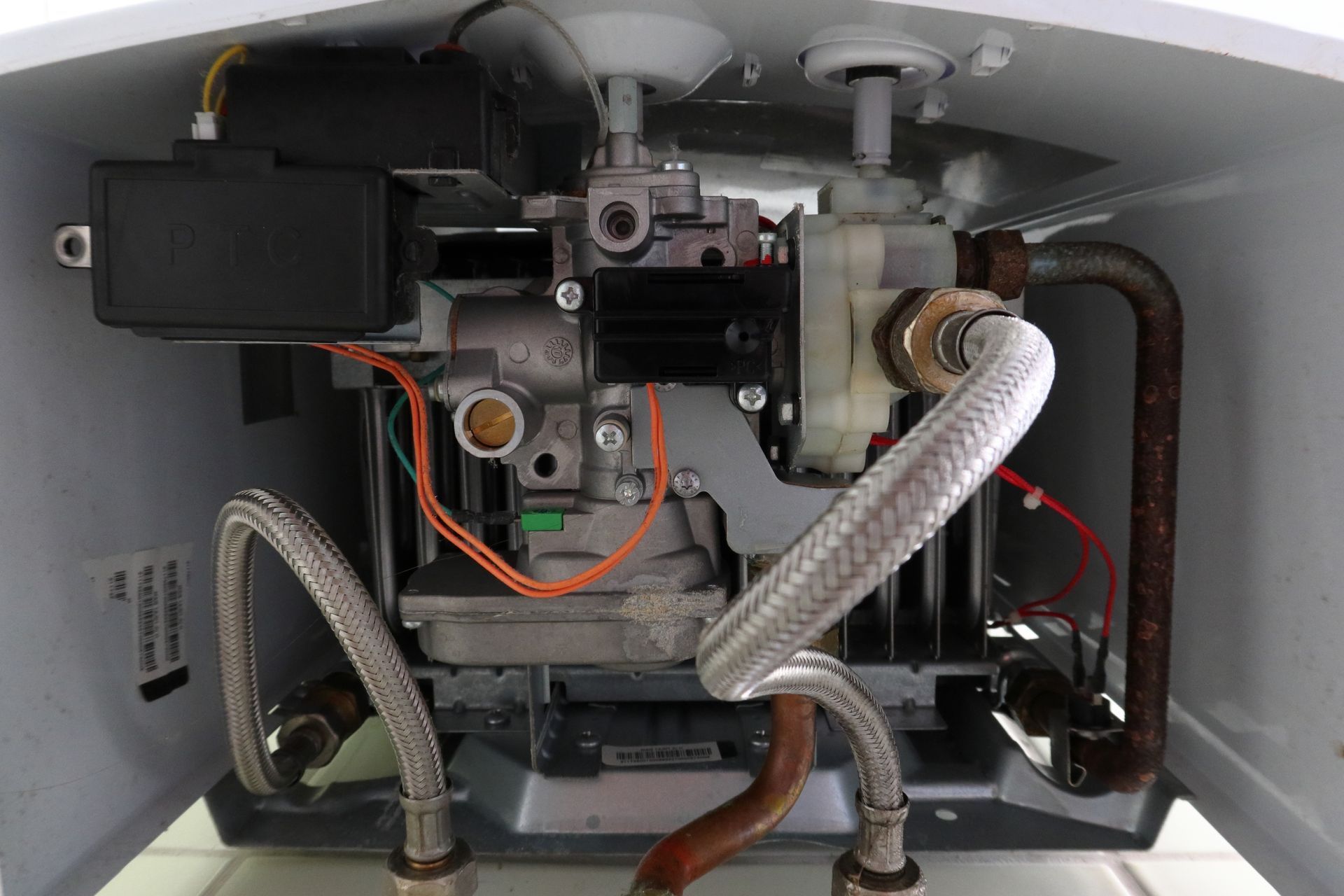
Proper installation begins with verifying all distribution zones receive adequate flow, testing that expansion tanks are sized correctly for total system water volume, and confirming pressure relief valves are set to open at safe levels that protect both the new boiler and existing piping. Technicians purge air from the system methodically, starting at the lowest zone and working upward, because trapped air prevents circulation and creates cold spots in radiators or baseboard units. System startup includes multiple firing cycles while monitoring water temperature rise, verifying zone valves open and close on demand, and adjusting aquastat settings so the boiler maintains ideal supply temperature for your specific distribution method.
Once the new boiler operates correctly, you'll notice faster recovery when thermostats call for heat, more even temperatures between rooms when zoning functions properly, and quieter operation from modern pumps and burners designed with noise reduction in mind. Energy consumption typically drops when replacing equipment more than twenty years old, especially if the new boiler includes outdoor reset controls that lower water temperature during milder weather instead of maintaining constant high temperatures regardless of heating demand.
Installation timelines depend on whether the existing system needs updates to circulator pumps, zone valves, or expansion tanks that aged alongside the old boiler, and whether venting requires modifications to accommodate condensing boiler exhaust requirements. Clear explanations cover system operation, recommended water treatment to prevent scale and corrosion, and maintenance practices that protect your investment in new heating equipment.
Common Questions About This Service
Property owners planning boiler replacement often ask about equipment selection, installation requirements, and what performance improvements they should expect from modern heating systems.
What's the advantage of a condensing boiler over a traditional model?
Condensing boilers extract heat from exhaust gases that traditional boilers vent outside, achieving efficiency ratings above ninety percent compared to eighty percent or lower for non-condensing equipment. This translates to lower fuel consumption and reduced heating costs, though condensing models require proper venting and condensate drainage.
How do you determine the correct boiler size for my home in Monroe?
Heat loss calculations account for insulation levels, window area, basement or crawlspace conditions, and design temperature for the coldest days typically experienced locally. The result determines how many BTUs the boiler must deliver to maintain comfort, and matching capacity to actual demand prevents oversizing that wastes energy.
Can a new boiler work with my existing radiators and piping?
Most distribution systems accept new boilers after minor modifications to circulator placement or zone valve wiring, though severely corroded piping may need replacement if leaks are likely to develop soon after the new boiler increases system pressure and temperature.
How long does a professionally installed boiler typically last?
Well-maintained cast iron boilers often operate for thirty years or more, while steel boilers and high-efficiency condensing models generally last twenty to twenty-five years depending on water quality and whether the system receives annual maintenance that prevents scale buildup and corrosion.
What ongoing maintenance does a new boiler require?
Annual inspections before each heating season should include burner cleaning, combustion testing, circulator pump checks, and water quality evaluation. Condensing boilers also need condensate drain inspection to ensure acidic condensate flows freely without clogging the drain line.
Miller's Nu Tech has served Monroe with trusted heating solutions since 1973, backed by BBB accreditation and skilled professionals committed to quality workmanship on every installation. Contact us to discuss your boiler replacement needs and receive personalized recommendations based on your property's specific heating requirements.